
Sahuarita Neighbor Sources by Block
No single Sahuarita roll lists everyone on a block. The useful sources fit together. PimaMaps defines the nearby parcel pattern. The Assessor attaches a tax code and named taxpayer to each selected parcel. Recorded documents can confirm a dated title role. Address layers settle postal and jurisdiction labels. Community sources add voluntary public contacts without turning private membership into a roster.
| Source | What It Shows About a Block | Access |
|---|---|---|
| PimaMaps Main | Parcel geometry, streets, overlays, aerial context, clickable features | Free public viewer |
| Building and unit details | Standard premises or unit addresses linked to one tax parcel | Free parcel result |
| Pima County Assessor | Owner or taxpayer plus situs, mailing, and parcel facts | Free web detail |
| Pima County Recorder | Dated ownership succession and recorded instruments | Web index; copy and counter channels |
| County address layers | Jurisdiction, postal city, ZIP, coordinates, and standard street parts | Free GIS data |
| Voter file | Authorized registered-voter data, with protected and nonvoter residents absent | Purpose-limited paid request |
| Community source | Public board contacts, events, notices, and voluntary resources | Officially published channel |
A parcel owner may live elsewhere, and several nearby residents can share one parcel or unit complex. Treat the owner-mail address as correspondence data. It becomes evidence of occupancy only when another independent source supports that conclusion.
Map Sahuarita Neighbors Outward
The PimaMaps viewer supports the most defensible adjacent-parcel method. Find one full address, zoom until parcel lines are clear, and click the target feature. Its pop-up and More Information path help identify the tax code. Then move outward one touching parcel at a time. Aerial or Pictometry imagery gives visual context, while Identify and Measure can snap to mapped features.
- Search the complete address and confirm that the returned point and parcel sit in the expected Sahuarita area.
- Click each parcel that touches the target. Record the tax code and situs before opening any owner detail.
- Follow each tax code to the Assessor and keep the owner name, tax-mail address, and physical situs in separate fields.
- Save or export the query when a repeatable block inventory is needed, then note the date because rolls change.
This is a short-radius workflow. For every parcel along a named road, use the broader Sahuarita street directory process instead of stretching a block sample beyond its purpose.
Confirm jurisdiction before sending a question to the Town. A Sahuarita postal label does not by itself prove that a parcel lies inside the incorporated town. The county address layer carries postal city and ZIP fields alongside a jurisdiction or city identifier, while parcel and annexation layers add map context. When those fields conflict with an assumption, use the mapped jurisdiction to choose the public office and preserve the postal label only as an address clue.
Note: PimaMaps is a planning and relationship tool, not a boundary survey or proof of legal title.
Sahuarita Blocks Can Share Parcels
A visible dwelling is not always a separate tax parcel. County documentation shows that a mobile-home setting can display individual mapped spaces while the legal tax parcel covers the larger property. Another official Rancho Sahuarita Boulevard parcel example contains eleven premises or unit addresses. Counting polygons, roofs, or address labels as separate owners would distort the neighbor list.
Use the GIS Parcel Address Building/Unit Details result when a selected tax code has more than one premises address. The unit list explains why several doors may lead back to a single Assessor owner record. It still does not disclose who occupies each unit. This local quirk is why block research must separate an address point, a mapped feature, and a legal tax parcel.
The Town's main community portal provides the public starting point for local services around such blocks.
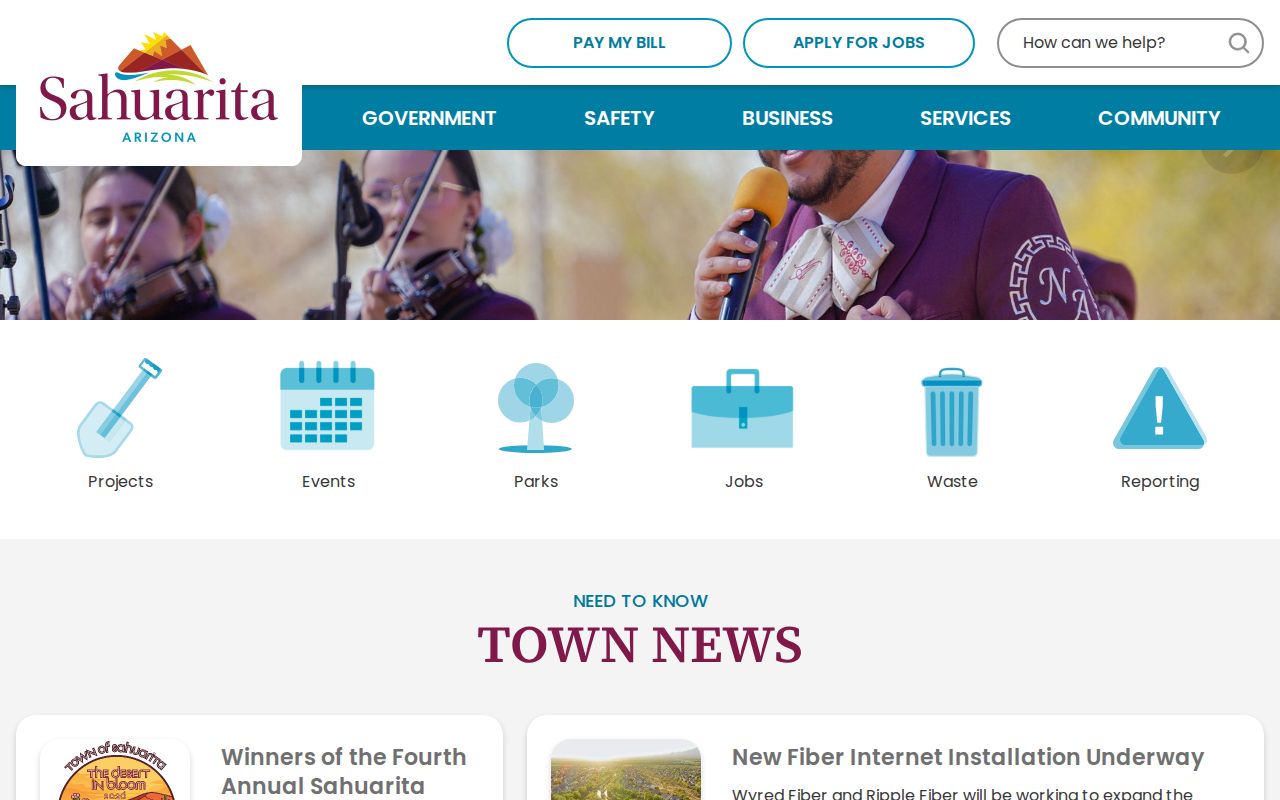
The captured portal helps route a block concern to town information without implying that municipal pages publish private resident names.
Sahuarita Neighbor Service Channels
Once a map issue becomes a civic question, use the department that owns the record. The Town departments and services index organizes official contacts for municipal work. That is more useful than guessing which office handles a nearby permit, street issue, code question, or public record.
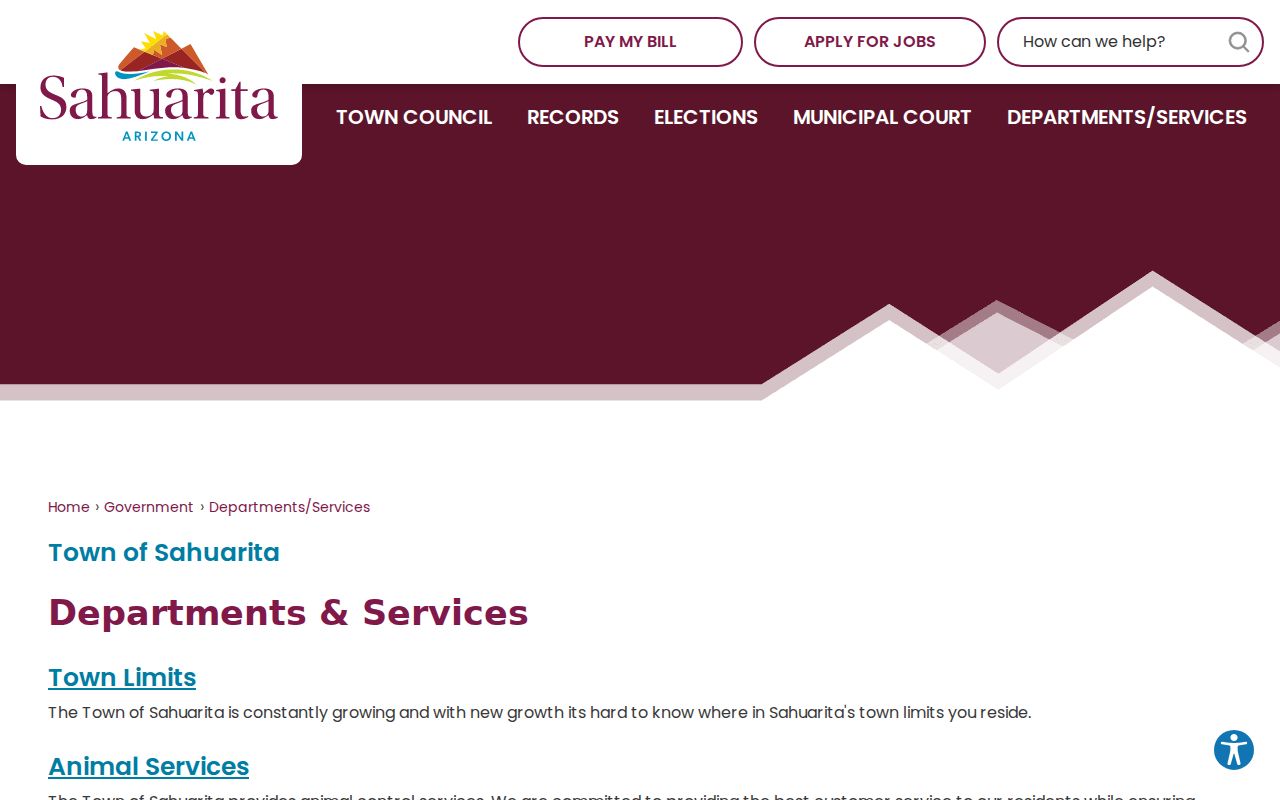
The department screen connects nearby residents with the responsible public channel while keeping the inquiry focused on a record or service.
Town application pages can add dated property context, but they are not directories of residents. The other applications page includes local application routes such as setback and home-occupation materials.
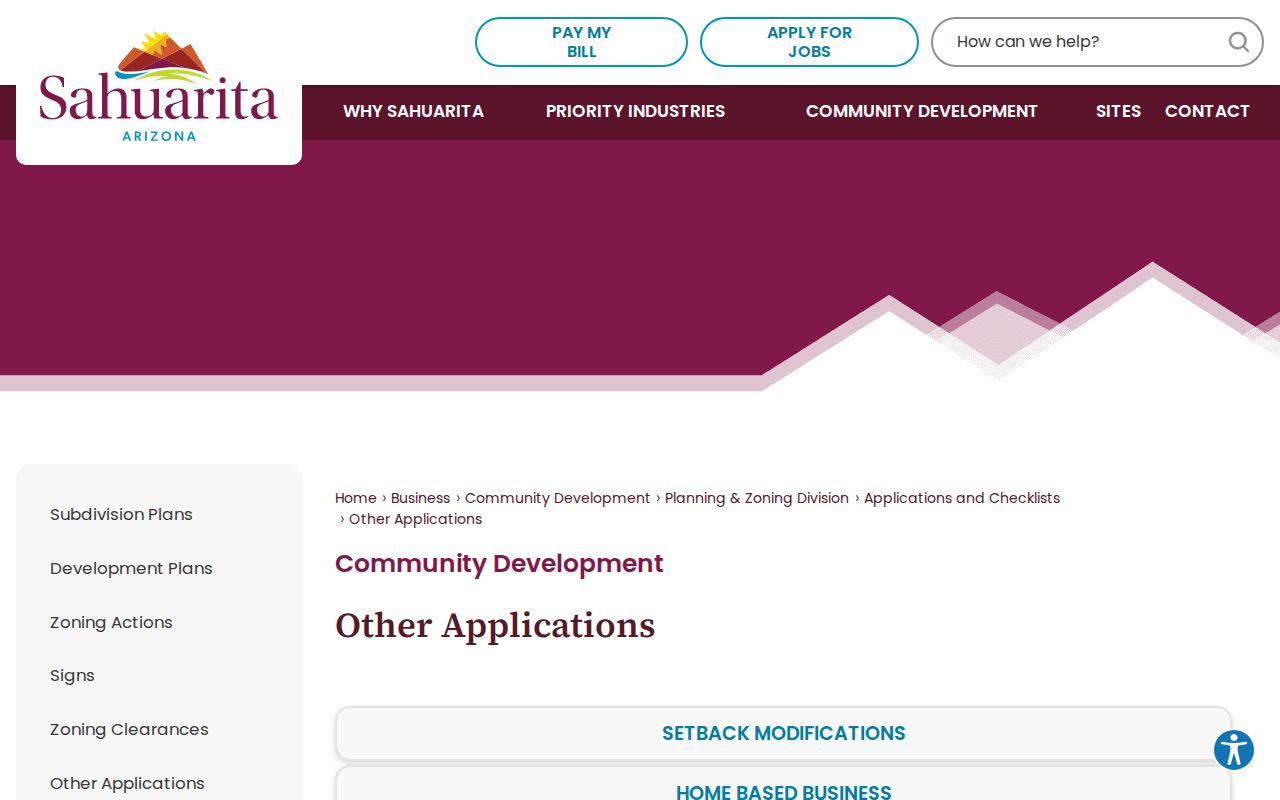
These files can explain a public land-use action near a parcel, yet they should never be stretched into a claim about every person at the address.
Sahuarita Neighbors and Community Groups
Rancho Sahuarita, Quail Creek, and Madera Highlands are familiar community names, but their boundaries are not the same as municipal limits, postal ZIPs, or Assessor parcels. No Town-maintained umbrella association inventory or verified public member directory was found in the research. Confirm a community through its recorded subdivision declaration or plat and then use its official management channel.
Recorded subdivision source
Use the Recorder and parcel plat reference to confirm the development tied to a Sahuarita address.
Official association channel
Use a verified board or management contact for public notices, events, and governing documents.
Town community channel
Use Town departments for public services, ordinances, permits, and municipal records.
An association may publish board names or event contacts. That does not make its membership list public. Congregation, club, and block-watch rosters are also private unless the organization deliberately publishes them for that purpose.
The Sahuarita ordinance archive supplies the public rule layer for local block questions.
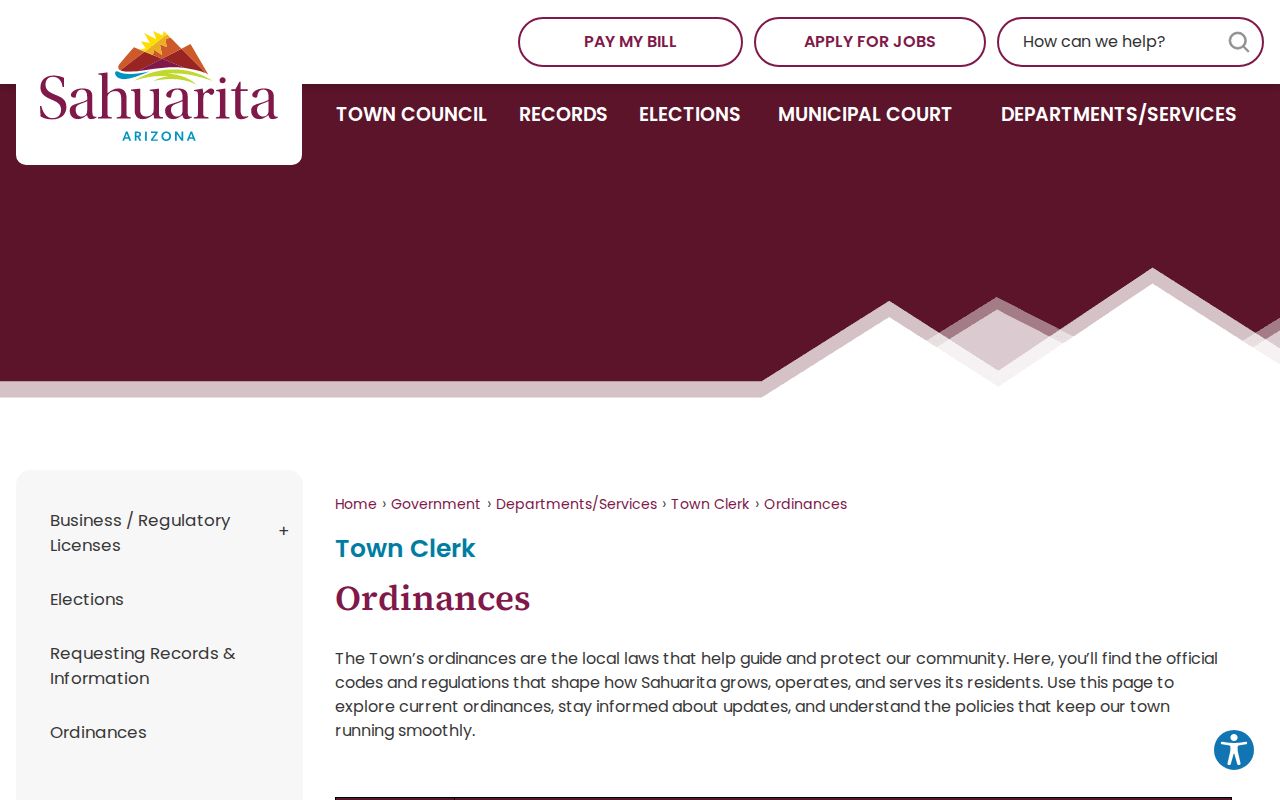
The archive is useful when the question concerns a town rule, not the identity or private conduct of people nearby.
Sahuarita Neighbor Voter Boundaries
The personal Arizona Voter Information Portal lets one voter authenticate and view their own registration and election details. It is not a type-a-street tool for finding people nearby. Participation history identifies elections in which a voter took part, never the choices made on a ballot.
A.R.S. § 16-168 controls access to nonconfidential voter-file data. Pima County's request process can support selected geography for an authorized statutory purpose, but it requires certification, carries fees, and restricts use and redistribution. Protected voters, nonvoters, minors, and people whose records do not meet the request are absent. Address Confidentiality Program participants and some people with protection orders can have address data sealed.
A block-level voter result is therefore partial by design. It should not be used to infer household size, political views, or whether an unlisted person lives in Sahuarita. Public access and permission to republish are not the same thing.
The Recorder request is also different from the personal voter portal. It asks a requester to state an authorized purpose and define the data or geography sought. County options can distinguish a city other than Tucson and a city or town code. The resulting file may include public registration fields, but it remains subject to the statute. There is no verified open web screen that accepts a Sahuarita street and returns a lawful voter list.
Ballot privacy. Arizona participation history may show that an election was joined, but it never shows how a Sahuarita voter cast a ballot.
Sahuarita Neighbors Across Time
A modern parcel map freezes one point in time. Historical directories, telephone books, newspapers, aerial layers, and local collections can show how the same block changed. Pima County Public Library's regional resources are the right bridge because Sahuarita does not have a verified, continuous stand-alone reverse-directory run. A dated directory entry should be read as evidence for its publication year, not a current resident claim.
The Sahuarita Library offers local computers, study space, staff help, and access to the library system's genealogy and obituary tools.
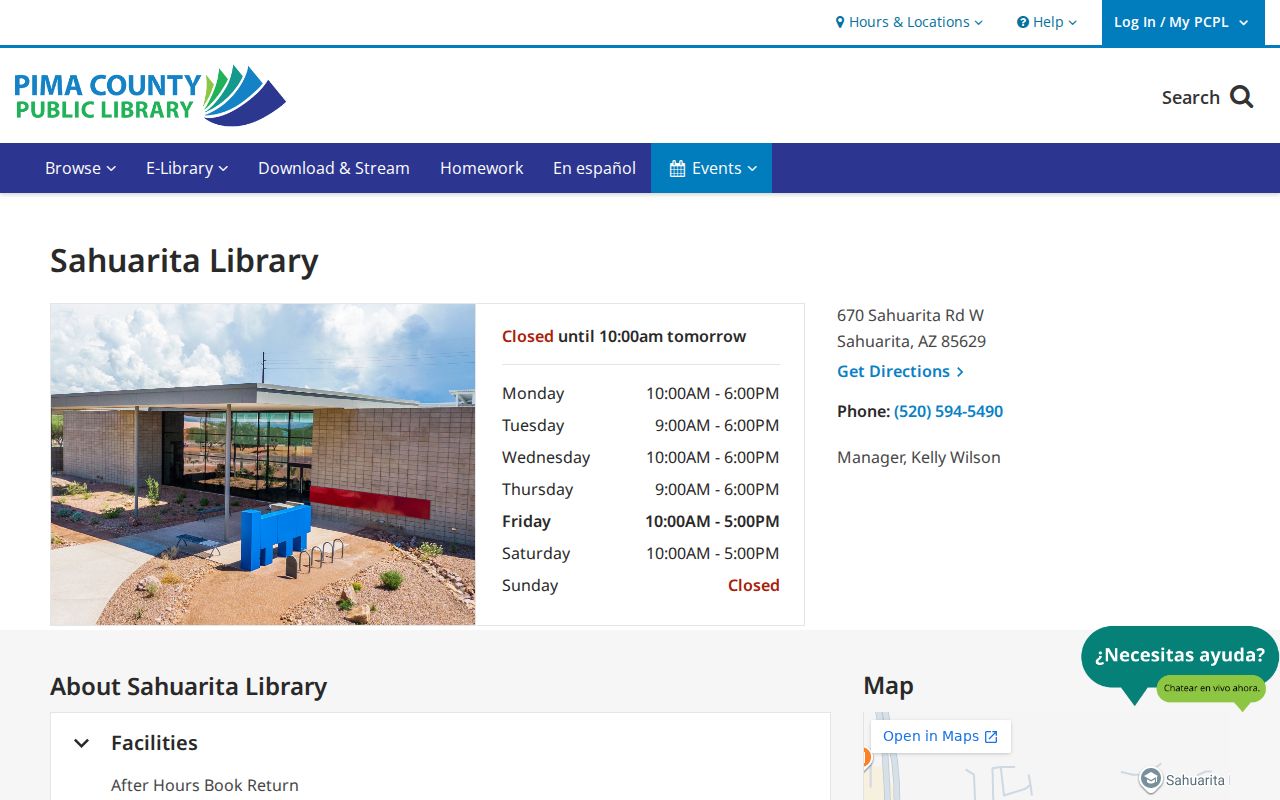
The branch is a practical place to compare a historic block clue with a present map without treating an old household entry as current.
| Official Source | Strength | Limit |
|---|---|---|
| Parcel and Assessor rolls | Dated land and taxpayer facts from the custodian | Not a list of occupants |
| Community publication | Voluntary public contacts and events | No implied access to members |
| Commercial neighbor compilation | May offer a quick lead | Can merge stale addresses and same-name people |
Protect Privacy of Sahuarita Neighbors
Official block records leave many facts private: household members who do not own land, renters, utility and delivery accounts, protected voter addresses, motor-vehicle addresses, and unpublished community memberships. Even an accurate owner name should not be labeled a neighbor without separate evidence of residence. A tax-mail address can point to a trust, manager, or other destination.
Use the smallest search area needed. Check map jurisdiction before contacting the Town, and take county record questions to Pima County. If a public record is wrong, ask its custodian to review it. Do not copy a private roster, evade a gate, or publish a set of nearby addresses. Direct civic issues to the relevant office and let people choose whether to share personal details.
Commercial block-search tools do not replace this chain. They can combine marketing files with public data, preserve an old address after a move, or merge two people who share a name. An official parcel result has a narrower claim and a named custodian. Compare the date and role, then obtain the underlying record if accuracy matters. Use commercial output only as an unverified lead, and never as authority for contact or publication.
Lawful use. Block research is for lawful civic and personal purposes. Never use an address or name to stalk, harass, intimidate, or expose someone.